


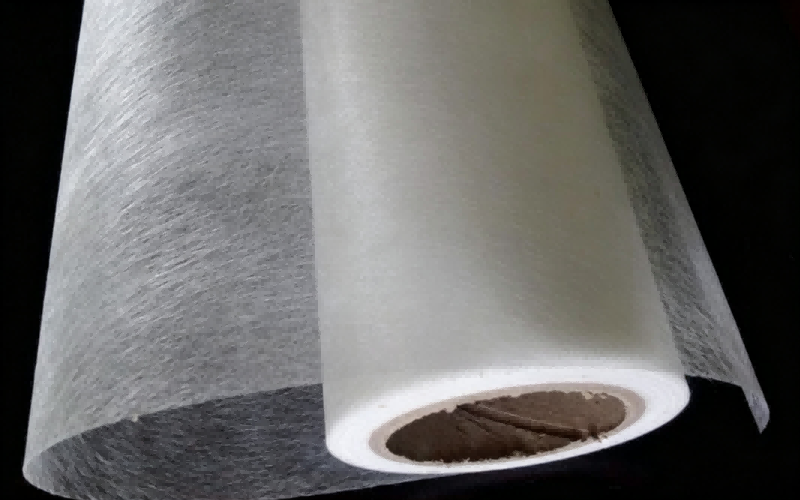
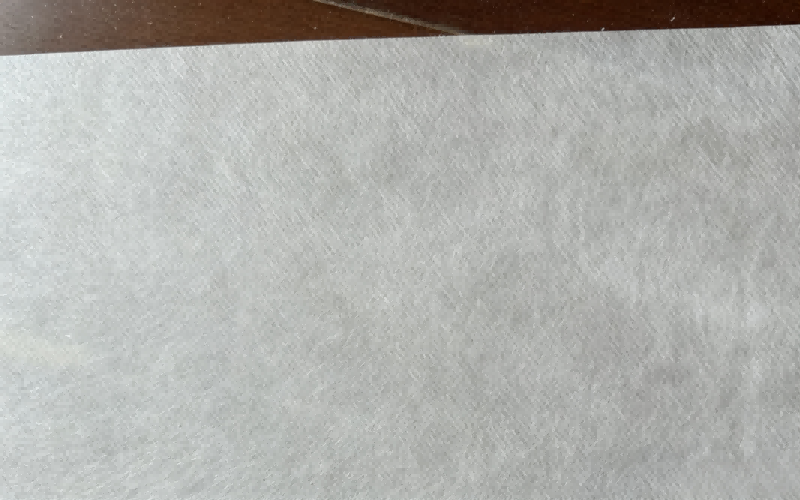
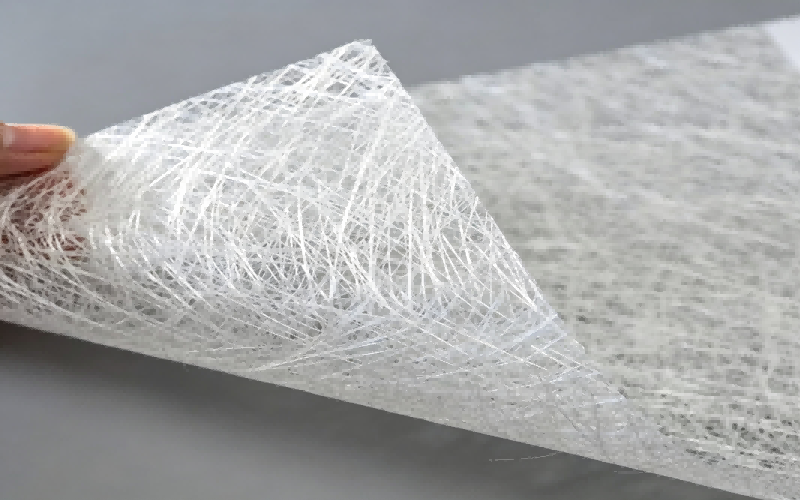
Фильтрующая ткань из стекловолокна SAFIL25 (25 г/м²)
Фильтрующая ткань из стекловолокна SAFIL25 обеспечивает беспрепятственное заполнение пор, надежно удерживая частицы углерода или катализатора. Это сокращает время простоя производственной линии, уменьшает количество отходов и, в конечном итоге, обеспечивает более стабильный поток воздуха в системе очистки.
-
Категории продуктов
- - Материал кварцевого волокна
- - Арамидное волокно
- - Полиимидное волокно
- - Углеродное волокно
- - Базальтовое волокно
- - Волокно PPS
- - Вуаль из углеродного волокна
- - ППС-волоконная вуаль
- - Вуаль из стекловолокна
- - Никелированное углеродное волокно
- - Вуаль из базальтового волокна
- - Полиимид нетканый
- - мокрый нетканый материал
- - углеродное волокно
-
Продукт
-
![Поверхностная ткань из стекловолокна SAST30-E (30 г/м²)]()
Поверхностная ткань из стекловолокна SAST30-E (30 г/м²)
-
![Кровельная ткань из стекловолокна SAST40 (40 г/м²)]()
Кровельная ткань из стекловолокна SAST40 (40 г/м²)
-
![Ковровое покрытие из стекловолокна SACT40 (40 г/м²)]()
Ковровое покрытие из стекловолокна SACT40 (40 г/м²)
-
![Облицовочная бумага из стекловолокна SAFTU6O (60 г/м²)]()
Облицовочная бумага из стекловолокна SAFTU6O (60 г/м²)
-
![Напольная бумага из стекловолокна SAFM50 (50 г/м²)]()
Напольная бумага из стекловолокна SAFM50 (50 г/м²)
-
![Поверхностная ткань из стекловолокна SAST5O-W (50 г/м²)]()
Поверхностная ткань из стекловолокна SAST5O-W (50 г/м²)
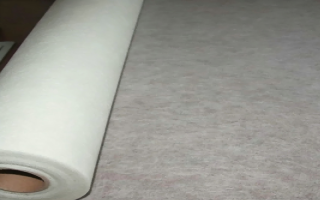
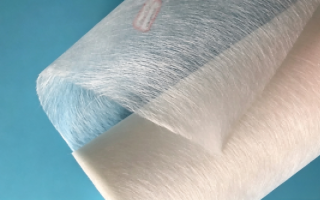
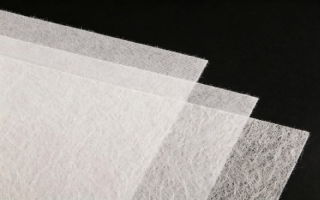
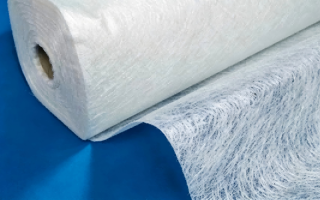
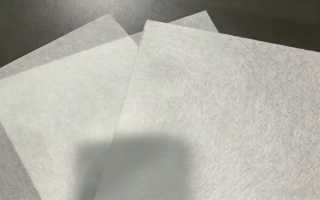
Фильтрующая ткань из стекловолокна SAFIL25 (25 г/м²)
Равномерность воздушного потока 99,7%. Низкое падение давления. Высокая термостойкость.
Саксобран® Мы разработали SAFIL25 для высокоскоростных линий производства воздушных фильтров. Наша команда обнаружила, что тонкие листы часто рвутся или забиваются клеем во время складывания. Этот лист плотностью 25 г/м² решает эти проблемы. Он обеспечивает идеально открытые воздушные отверстия, одновременно надежно удерживая гранулы активированного угля или катализатора. Вы получаете меньше остановок линии, меньше отходов и предсказуемый поток воздуха в камерах окончательной очистки.
Решены проблемы промышленного производства.
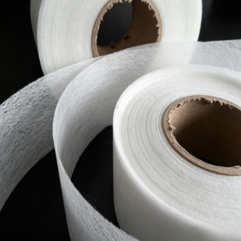
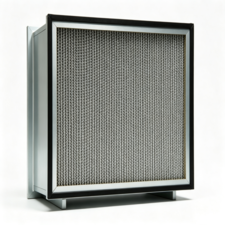
Разрыв тканей при высокоскоростном плиссировании
Тонкие фильтрующие полотна рвутся, когда машина быстро протягивает их вокруг острых складных ножей. Это портит всю партию и останавливает производство.
Мы случайным образом смешиваем короткие и длинные стекловолокна с прочным акриловым связующим.Он выдерживает сильное натяжение лески до 110 Н/50 мм без разрушения полотна.
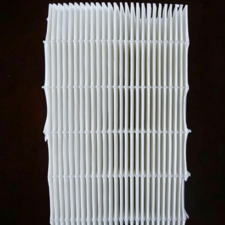
Засорение клеем и резкое падение давления
Термоклей часто глубоко проникает в слабые волокна ткани. Он блокирует мельчайшие воздушные каналы, заставляя конечный фильтр работать с чрезмерной нагрузкой.
Однородная пористая структура предотвращает пропитывание клеем насквозь. Поддерживает сопротивление воздуха ниже определенного уровня.18 Папри стандартной скорости потока воздуха для экономии энергии вентилятора.
Технические характеристики
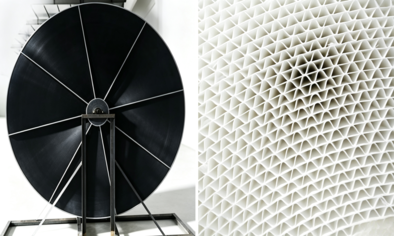
Равномерная компоновка волоконного полотна
Обеспечивает чистую, ровную поверхность для размещения гранул активированного угля, предотвращая их рассыпание или смещение.
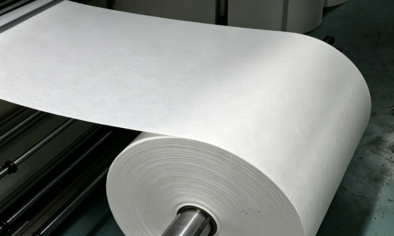
Высокая скорость пропитывания клеем
Надежно склеивает стандартными термоплавкими клеями в течение 1,2 секунды, что обеспечивает высокую скорость сборки.
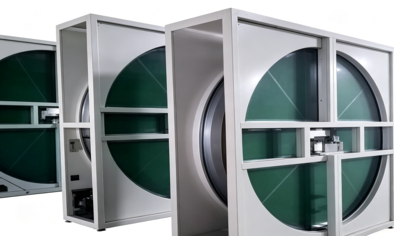
Высокое термостойкость
Прекрасно сохраняет свою форму и размер при температуре до 180 °C во время сушки горячим воздухом или ламинирования.
Технический паспорт
| Технические параметры | Стандартное значение | Основа тестирования | Инженерное назначение |
| Площадь Вес | 25 г/м² ±2 г | ISO 3374 | Обеспечивает надежное сопротивление воздуха и необходимую толщину по всей длине рулона. |
| Толщина | 0,25 мм | ISO 9073-2 | Идеально подходит для компактных пазов для складок, не заклинивая машину. |
| Предел прочности на растяжение (МД) | ≥80 Н/50 мм | ISO 3342 | Предотвращает внезапное обрывание полотна при сильном натяжении автоматического натяжного ролика. |
| Воздухопроницаемость | ≥1200 л/м²/с | ЕН ISO 9237 | Гарантирует низкое сопротивление воздуха, благодаря чему конечное устройство потребляет меньше энергии. |
| Потери при прокаливании (LOI) | 10.0 | ISO 1887 | Обеспечивает достаточную жесткость волоконного соединения для удобства обращения, но при этом делает его достаточно мягким для складывания. |
Качество обработки, упаковки и логистики
1
Диапазон температур
Поддерживайте температуру хранения в пределах...от 10°C до 40°C.
2
Предельные значения влажности
Поддерживайте в мастерской сухой воздух с относительной влажностью ниже определенного уровня.65%.
3
Безопасность стекирования
Храните рулоны в вертикальном положении в оригинальных коробках. Не складывайте более одного рулона друг на друга.2 поддонавысоко, чтобы избежать повреждения краев рулона.
Обеспечение безопасности глобальной цепочки поставок
Конструкция прокатного стана:Рана на тяжелом76 мм (3 дюйма)сплошной картонный сердечник, предотвращающий изгиб центральной части.
Герметичная барьерная упаковка:завернутый вТолстая полиэтиленовая пленка, предотвращающая проникновение морской влаги во время длительных морских перевозок.
Противосмещение груза:Упаковано в прочные картонные коробки с толстыми пенопластовыми заглушками на торцах, помещенные в деревянный поддон.
Технические вопросы и ответы
В: Чем SAFIL25 отличается от стандартных нетканых материалов из полиэстера плотностью 25 г/м² по содержанию углерода?
А:Полиэстер растягивается при нанесении горячего клея и крупных углеродных гранул, что изменяет зазоры для воздушного потока. В SAFIL25 используются жесткие стекловолокна. Он не растягивается, не сжимается и не провисает под воздействием больших нагрузок от гранул. Это обеспечивает абсолютно одинаковые пути воздушного потока по всей поверхности панели.
В: Как предотвратить расслоение ткани при использовании ультразвуковой сварки?
А: Поддерживайте низкое давление в сварочном аппарате. Поскольку стекловолокно не плавится, как пластик, вы склеиваете связующую матрицу, а не само стекло. Для достижения наилучших результатов используйте рифленую наковальню. Установите время сварки на короткие импульсы, чтобы избежать прогорания акрилового связующего.
В: Что произойдет, если рулон подвергнется воздействию высокой влажности до начала производства?
А:Стекловолокно не гниет, но связующее вещество может впитывать влагу из окружающей среды. Это размягчает полотно и приводит к его застреванию в направляющих гофрокартонной машины. Если рулон намокнет, храните его в сухом помещении.40°Cв течение 24 часов, прежде чем устанавливать его на конвейерную линию.